
marvelo
-
Liczba zawartości
4 045 -
Rejestracja
-
Ostatnia wizyta
-
Wygrane w rankingu
8
3 obserwujących

Osiągnięcia użytkownika marvelo






-
“Istanbul (Not Constantinople)” (The Four Lads/They Might Be Giants) Cover by Robyn Adele Anderson
-
[Zdjęcia] Codziennie Jedno Zdjęcie
marvelo odpowiedział klon → na temat → Rowerowe forum na max - ogólna dyskusja
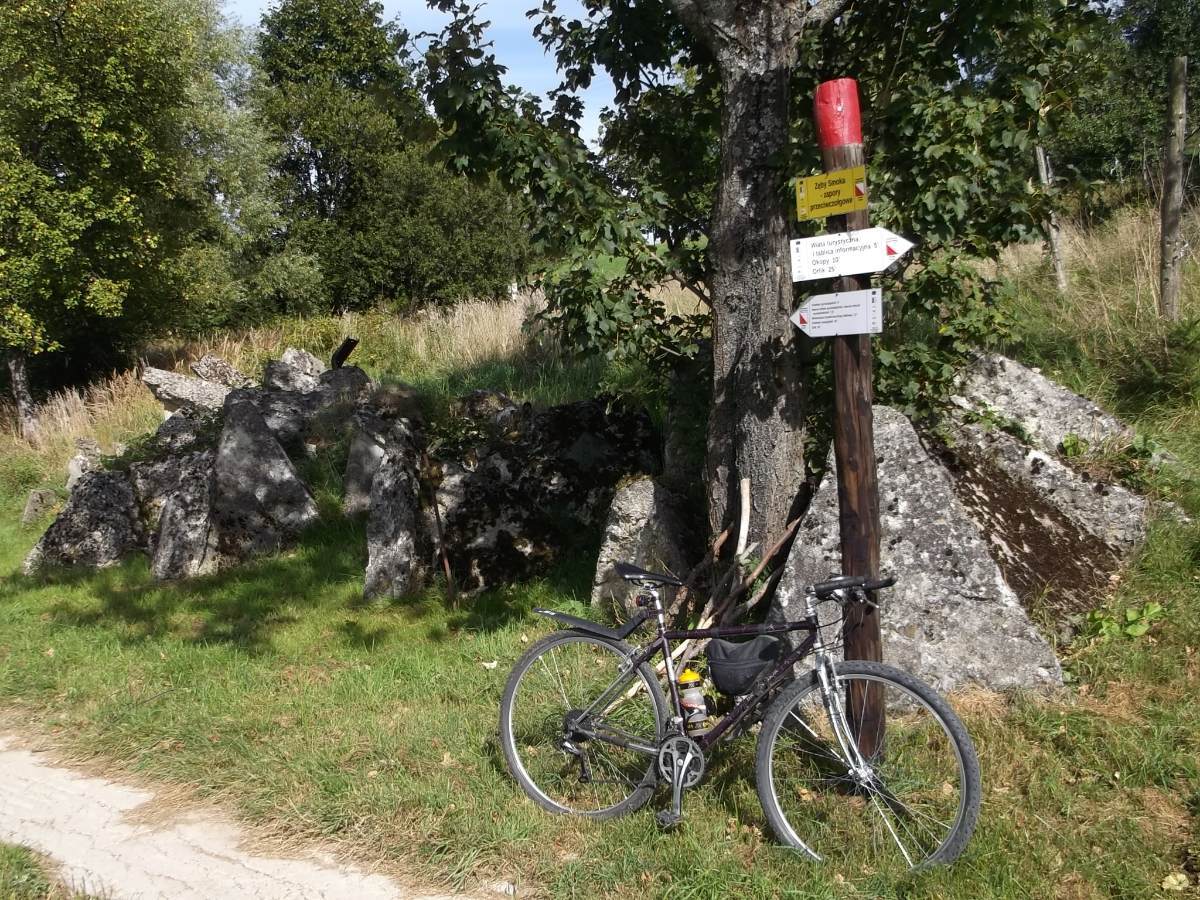
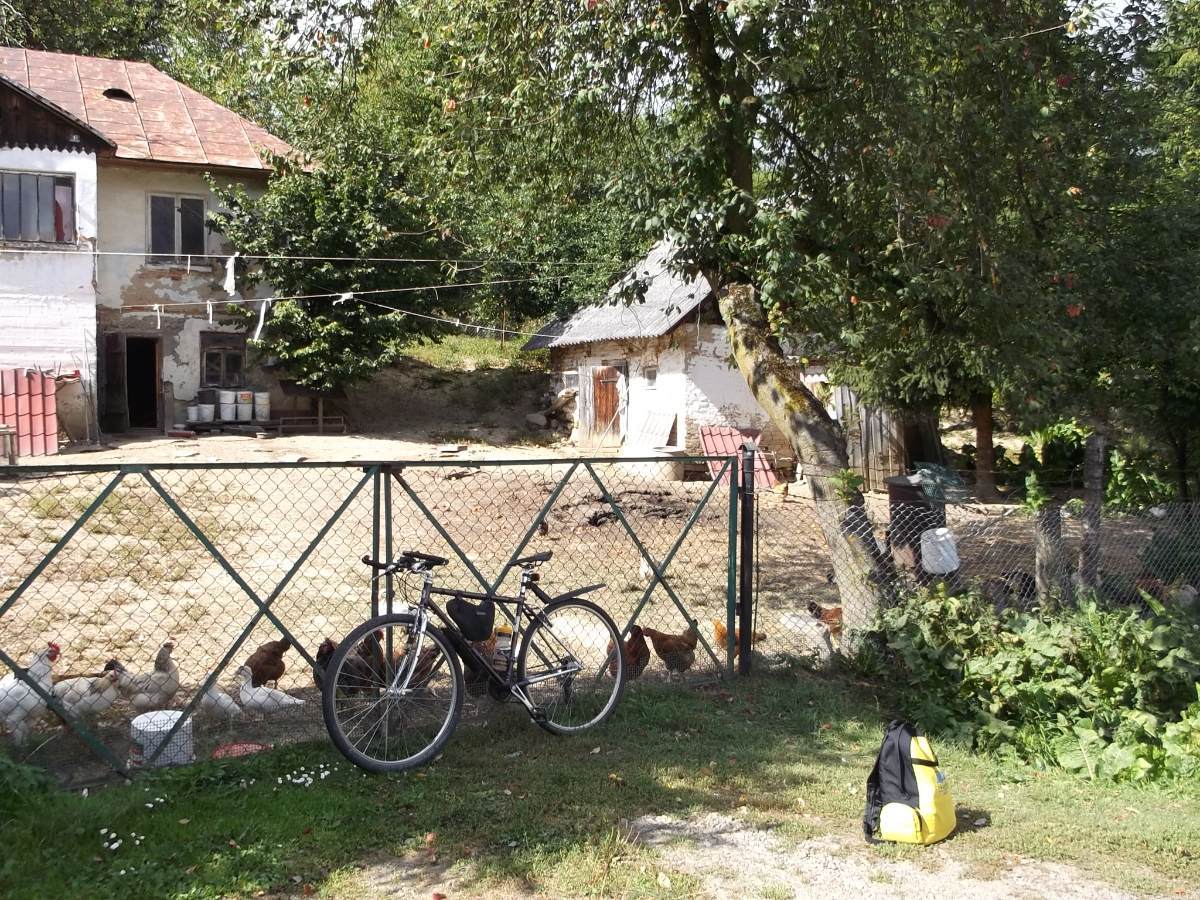
Bo smok pogubił tu zęby: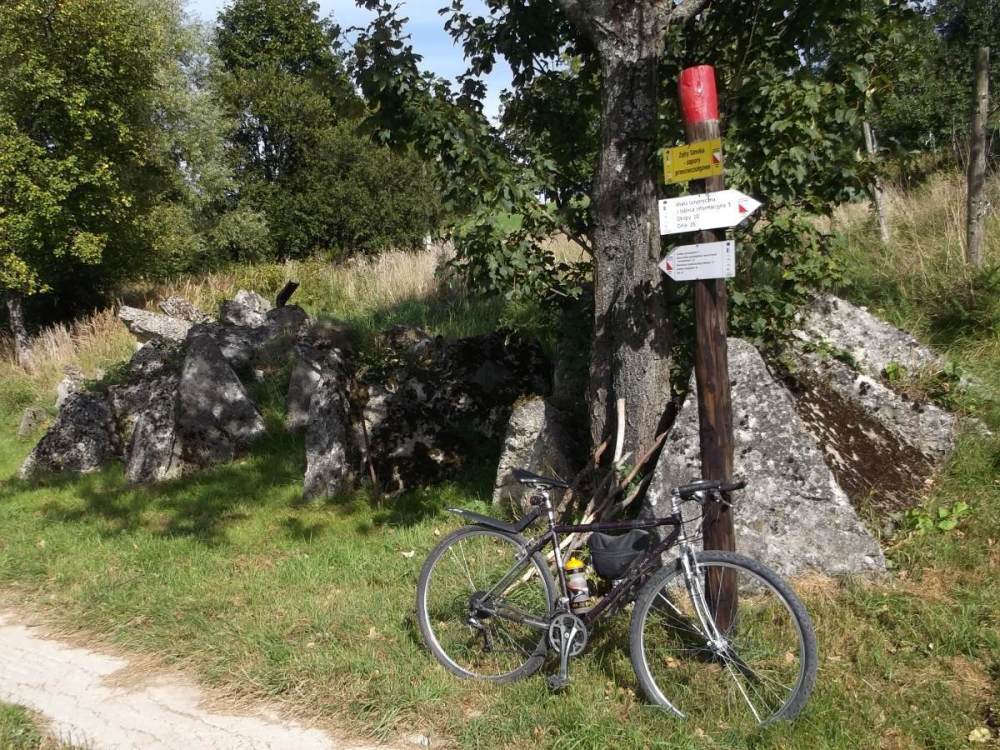
-
Istanbul (Not Constantinople) - Burçin
-
Michel Strogoff · Philharmonic Wind Orchestra · Vladimir Cosma · Marc Reift · Philharmonic Wind Orchestra
-
[Zdjęcia] Codziennie Jedno Zdjęcie
marvelo odpowiedział klon → na temat → Rowerowe forum na max - ogólna dyskusja
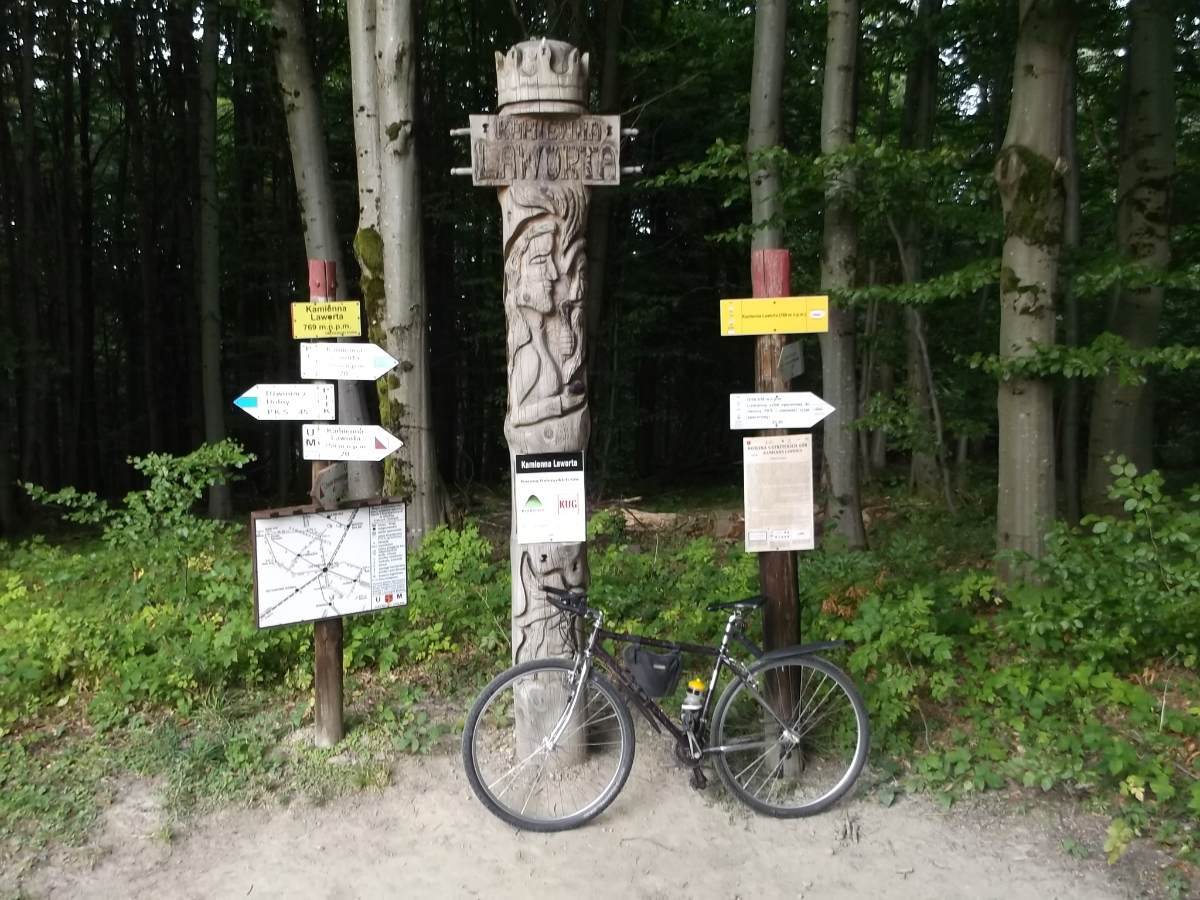
Bo do kolekcji w KUG: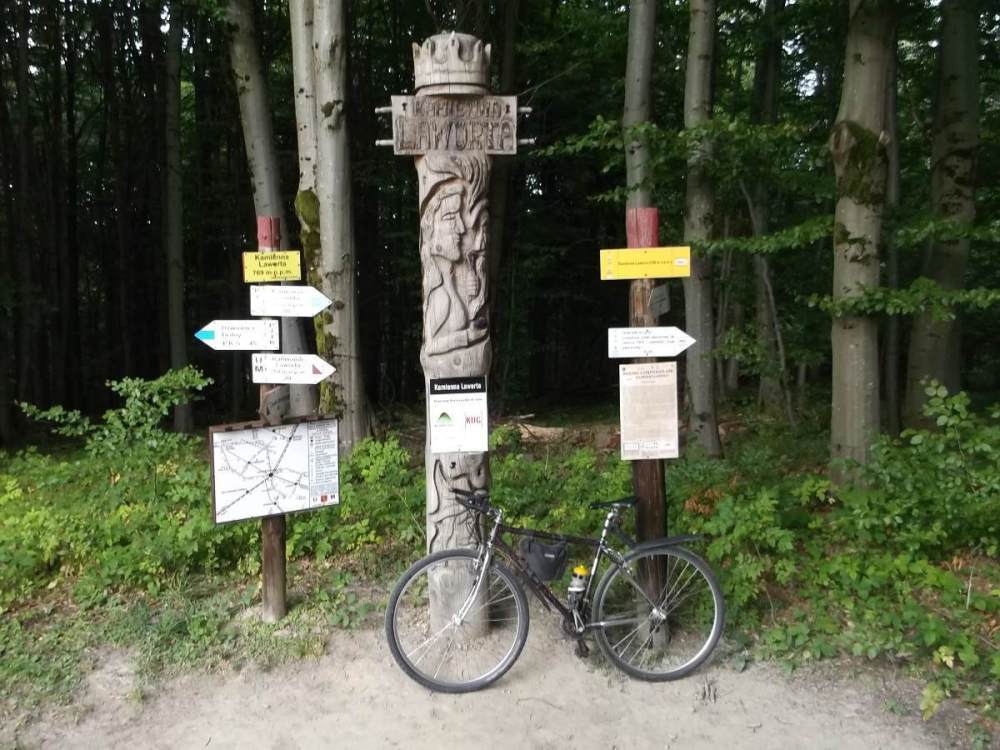
-
Tu przykład, jak takie spotkanie na szlaku z niedźwiedziem zwykle wygląda (kadr z filmu z kanału "Krzysiek w drodze"): To akurat bliżej Ustrzyk Dolnych, na raczej mało uczęszczanym szlaku, ale jak widać na filmie (od 49:25), niedźwiedź raczej człowieka chce uniknąć, choć wykazał pewne zainteresowanie: Jakie jest prawdopodobieństwo takiego spotkania? Jak sam autor nagrania napisał w komentarzu pod filmem: "To była adrenalina! Ponad 30 lat wędruję i po raz pierwszy udało mi się spotkać niedźwiedzie..." Ja sam ani gazu, ani petard ze sobą nie wożę.

-
[Zdjęcia] Codziennie Jedno Zdjęcie
marvelo odpowiedział klon → na temat → Rowerowe forum na max - ogólna dyskusja
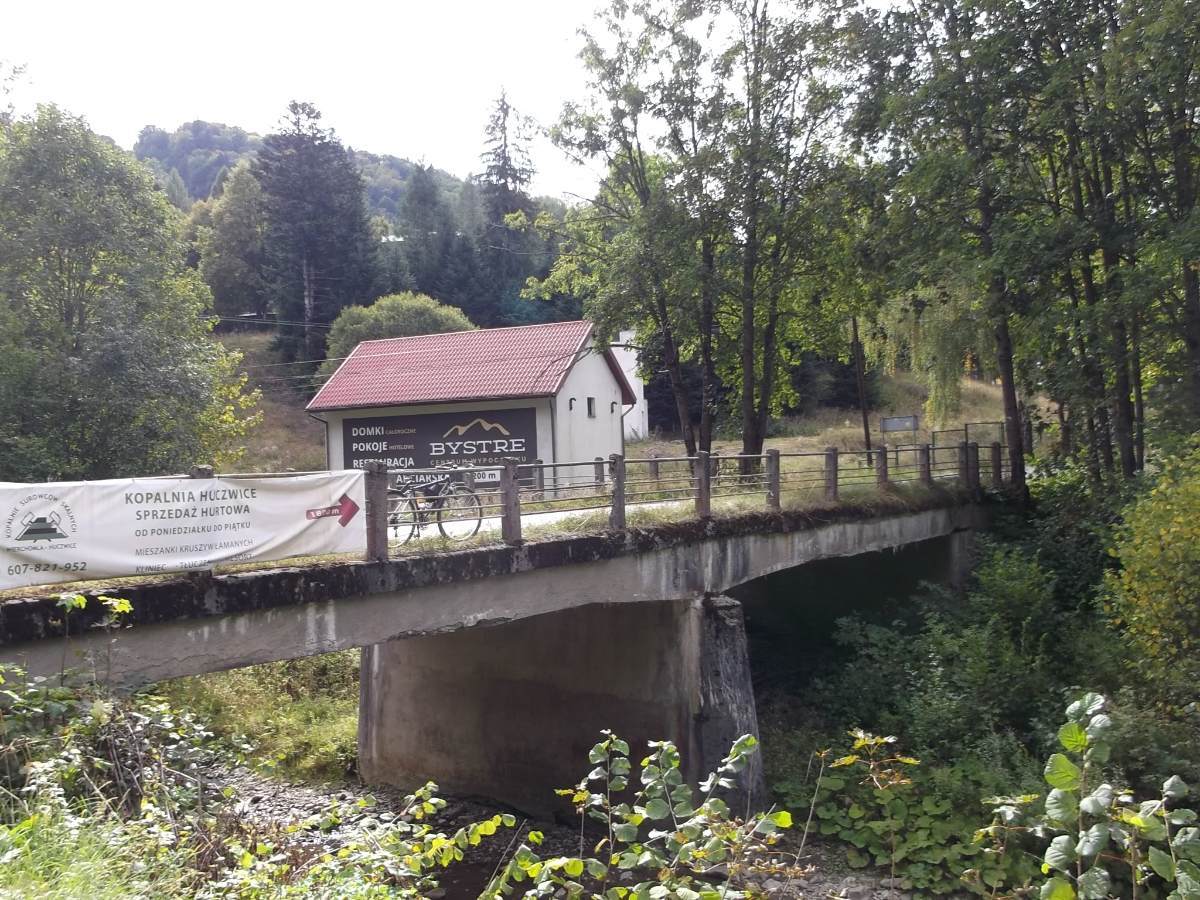
Bo wyjazd w Bieszczady bez wjazdu na przełęcz Żebrak to wyjazd stracony (tu zjazd przez most z drogi głównej w Bystrem):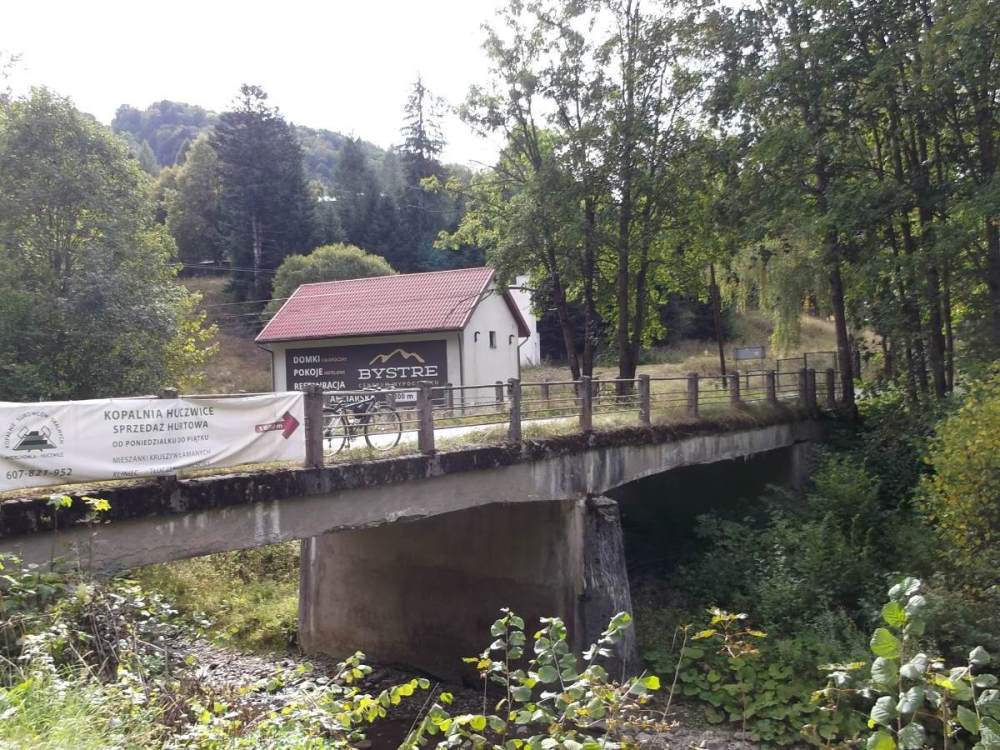
-
[Zdjęcia] Codziennie Jedno Zdjęcie
marvelo odpowiedział klon → na temat → Rowerowe forum na max - ogólna dyskusja
Bo tu czas się zatrzymał: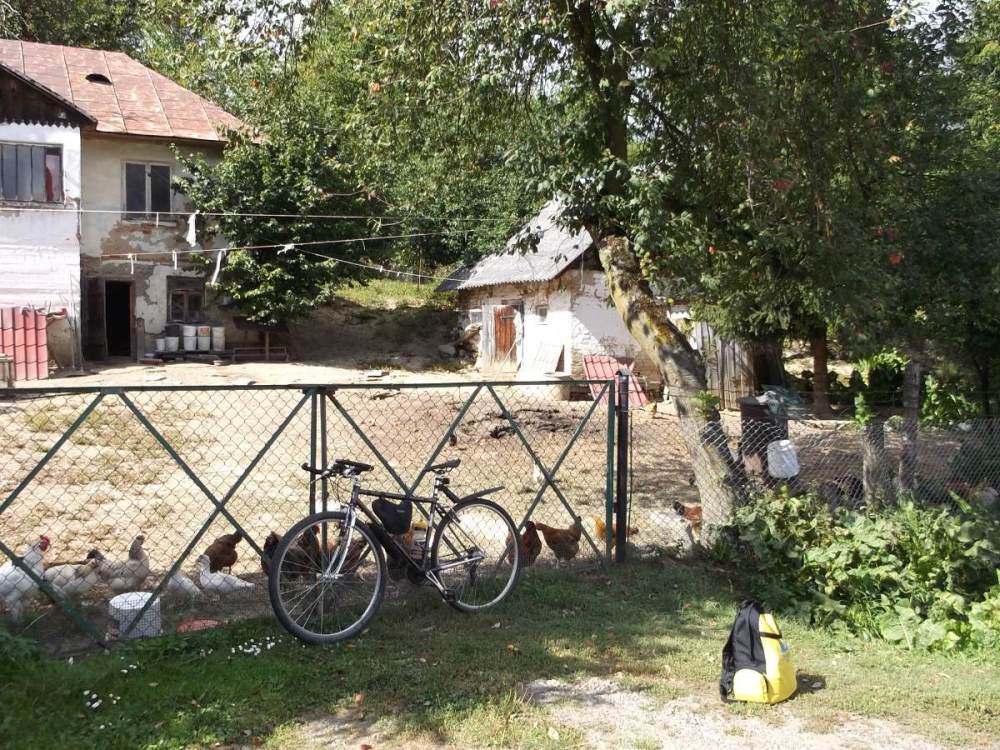
-
Jenkins: Palladio (Concerto Grosso for Strings) Tanita Tikaram - Sweet Feather & The Storm (The Empire Studio Version)
-
Teoria o chronotypach czasem jest podważana, ale generalnie przyjęło się, że jednak istnieją biologiczne preferencje co do godzin snu i aktywności. Ja zdecydowanie jestem sową i wczesne wstawanie to dla mnie zawsze był koszmar, a rozkręcam się dopiero po południu i wieczorem. A Wy, jak się identyfikujecie? Polecam wywiad z bardzo sympatyczną panią doktor, psycholożką (niech już będzie po nowemu).
-
[Zdjęcia] Codziennie Jedno Zdjęcie
marvelo odpowiedział klon → na temat → Rowerowe forum na max - ogólna dyskusja
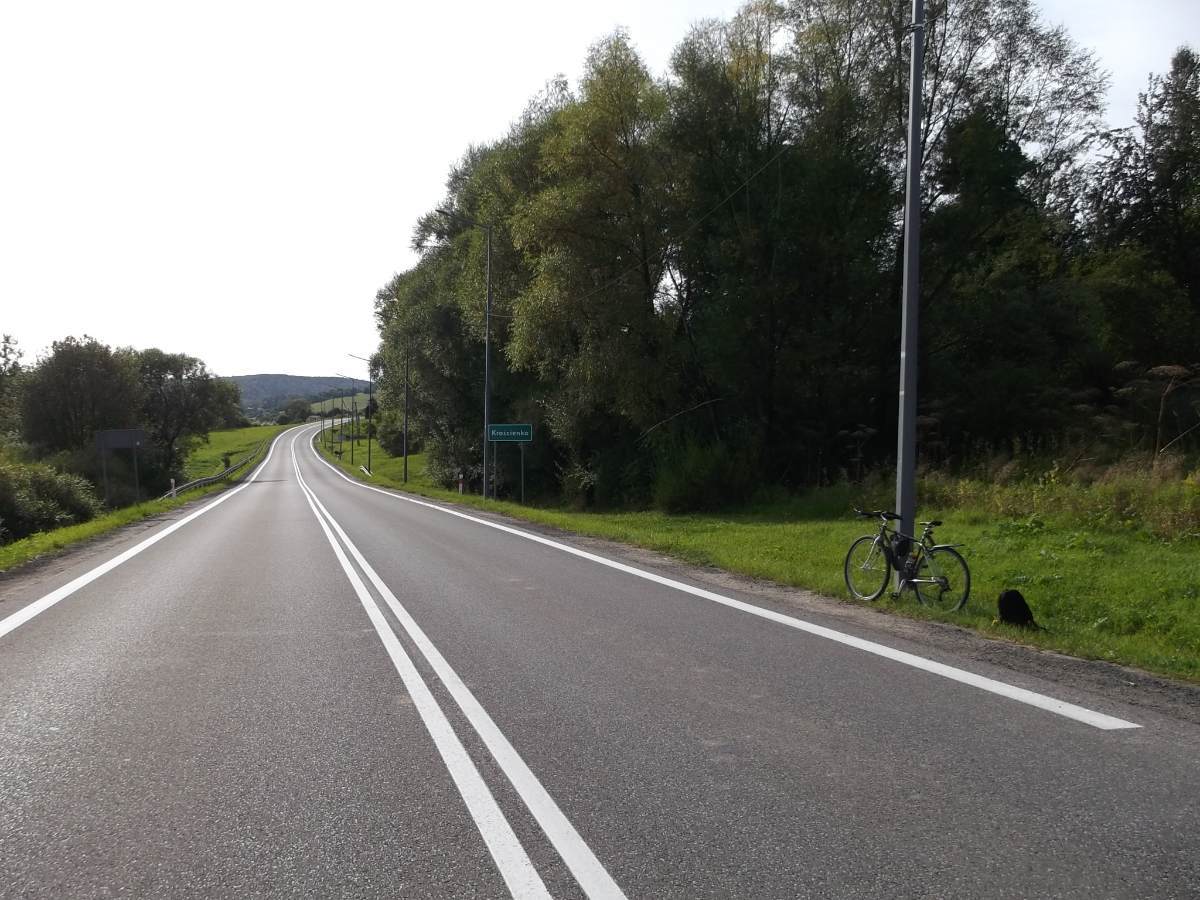
Bo zatrzymałem się na chwilę na barszcz (ale Sosnowskiego):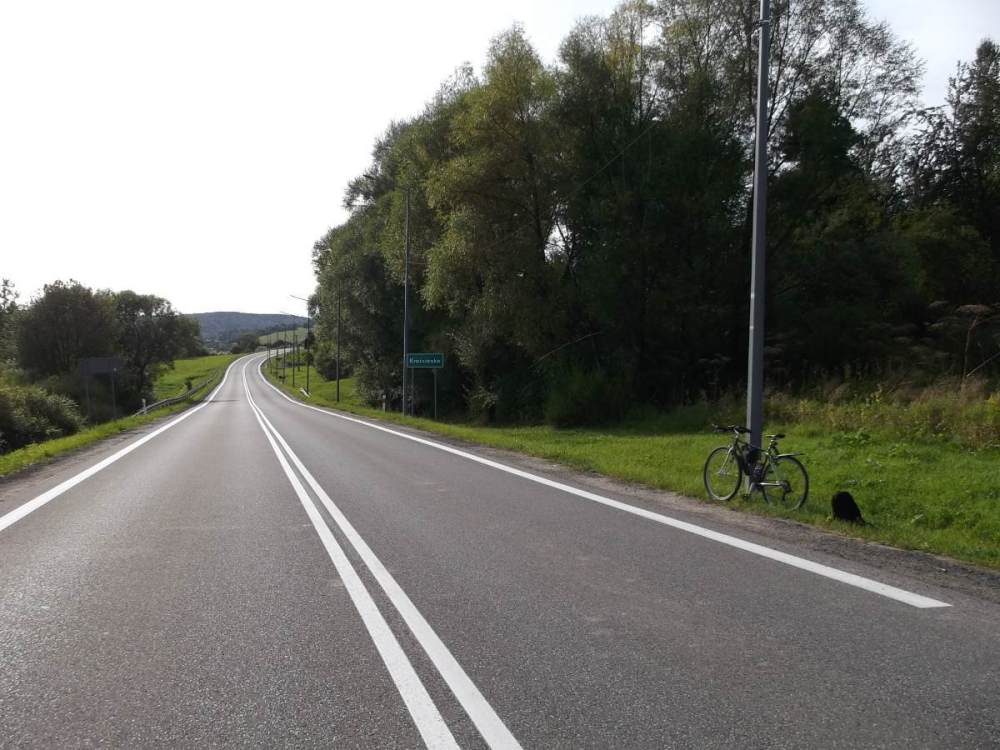
-
[Zdjęcia] Codziennie Jedno Zdjęcie
marvelo odpowiedział klon → na temat → Rowerowe forum na max - ogólna dyskusja
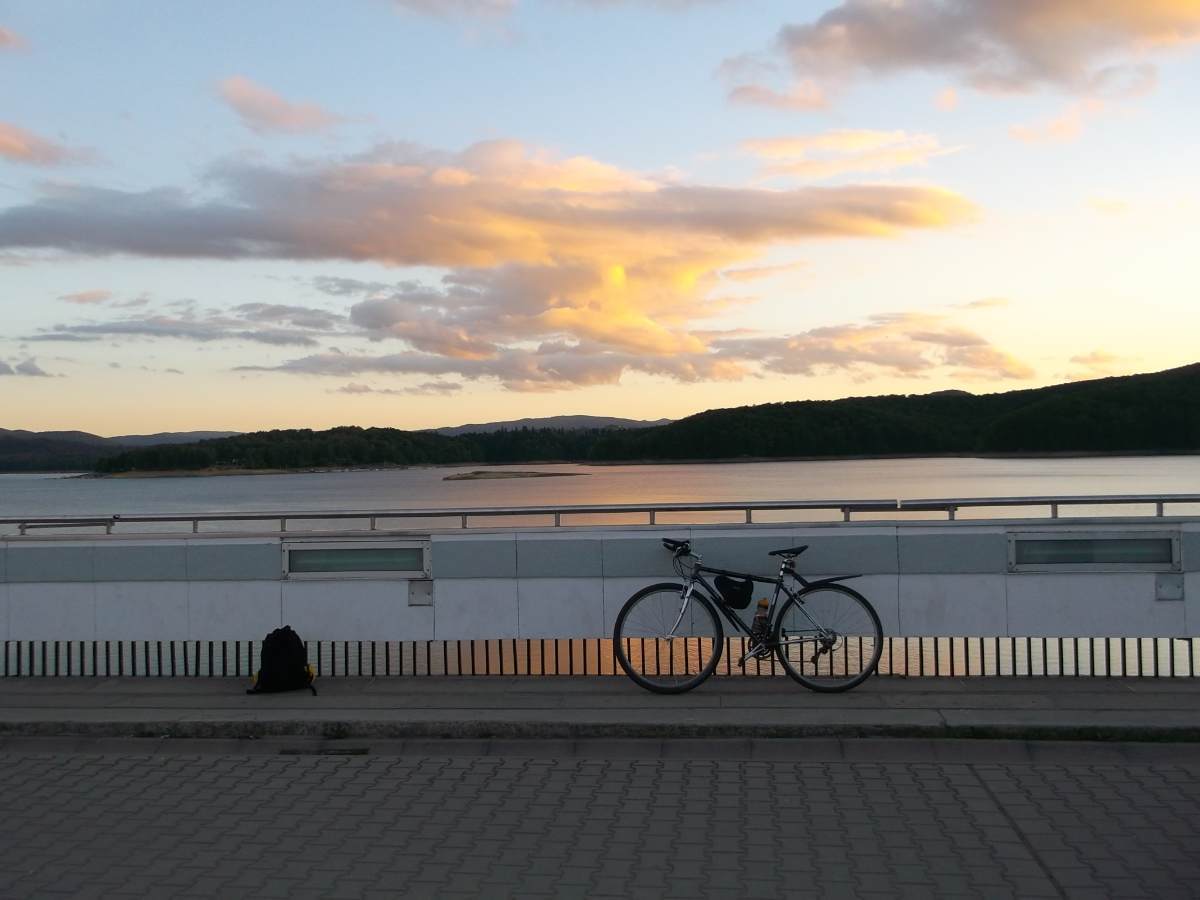
Bo ładne chmury: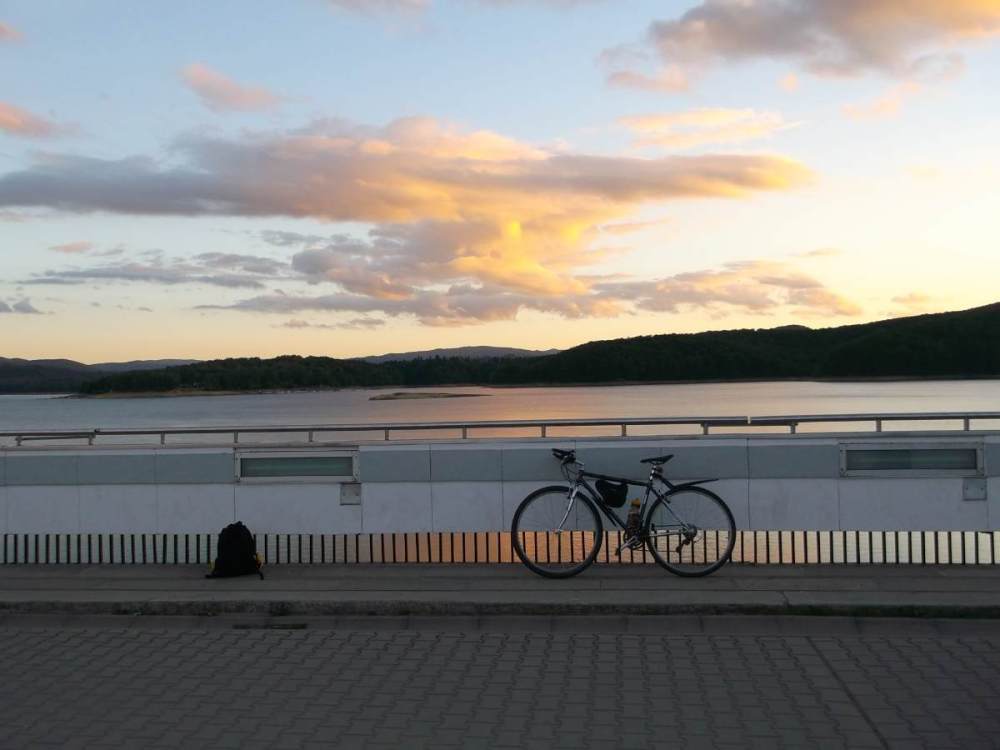
-
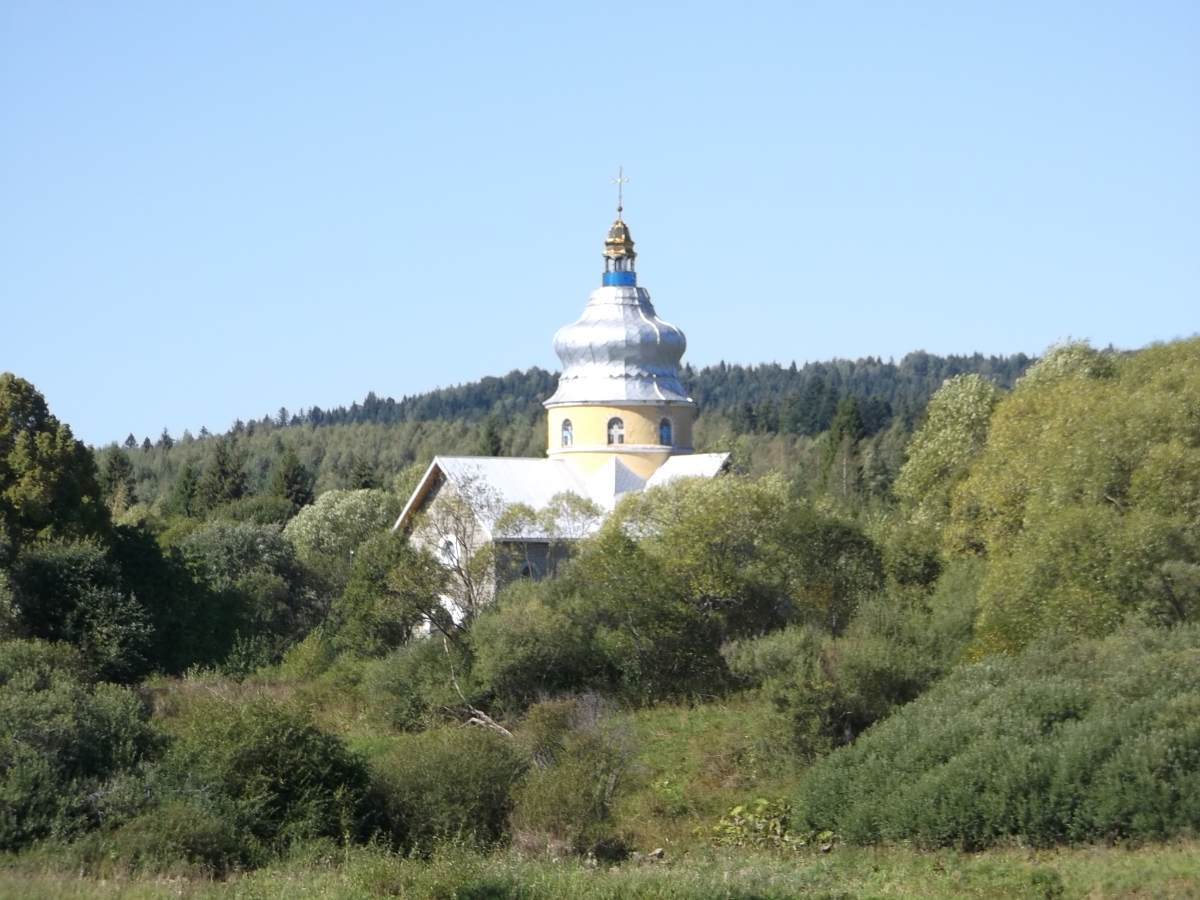
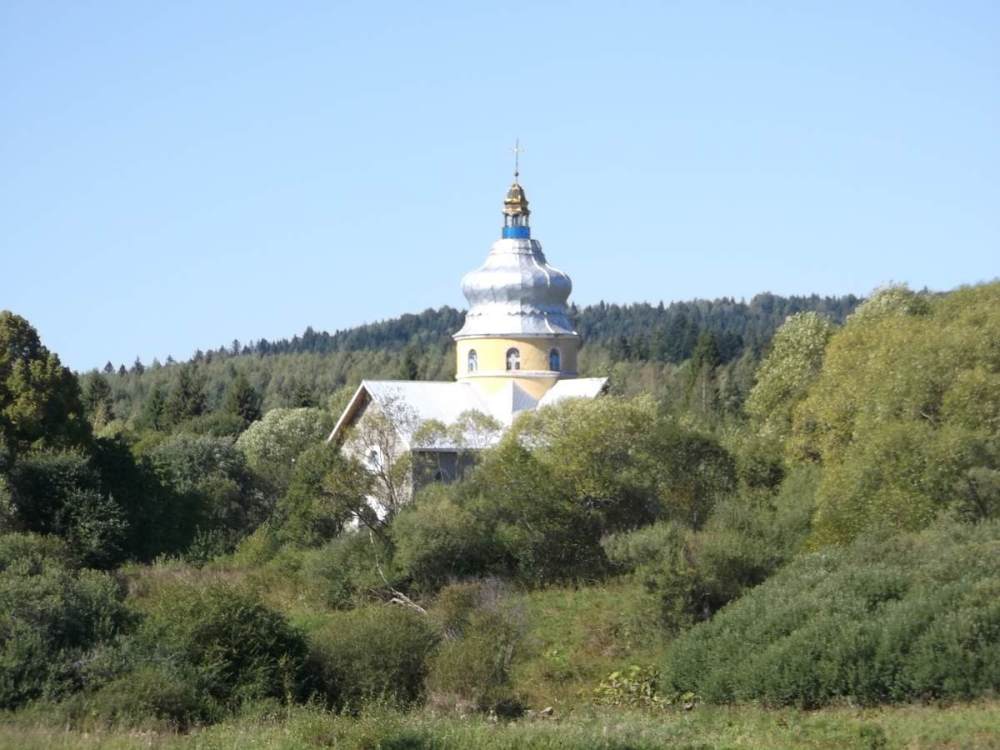
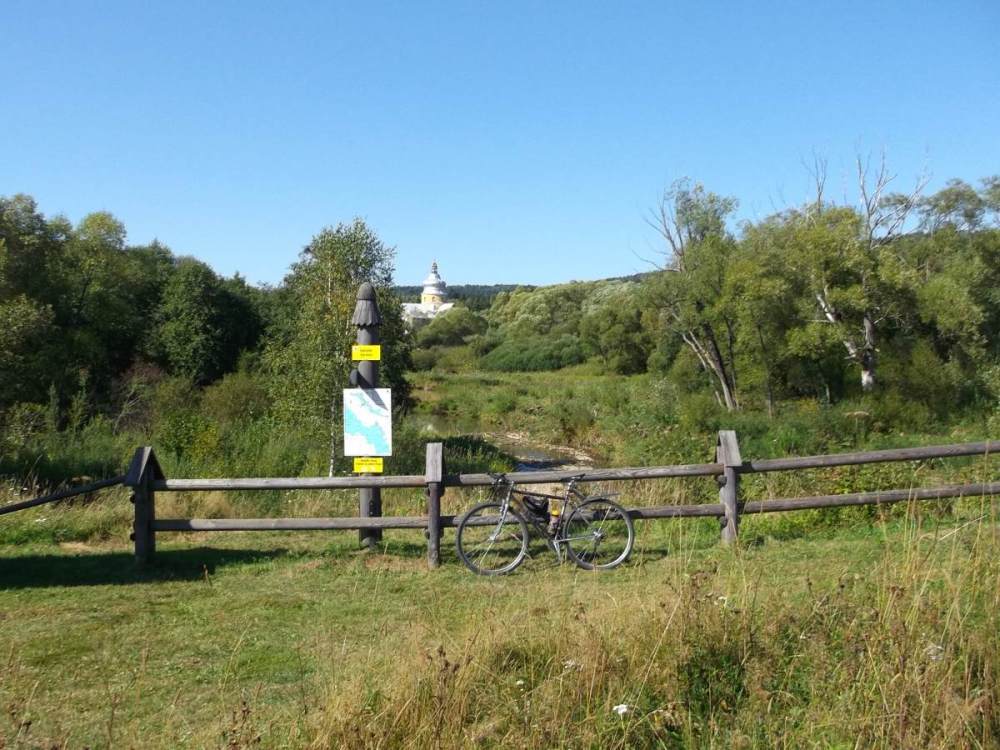
Ta cerkiew (greckokatolicka, p.w. świętego Dymitra) widoczna z punktu widokowego w Sokolikach Górskich jeszcze niedawno wyglądała znacznie gorzej niż na poniższych zdjęciach: Przed remontem nie miała części dachu, a kopuła wcale się nie błyszczała: Trochę ciekawych informacji tutaj: Cerkiew greckokatolicka w Sokolikach Górskich / Twoje Bieszczady Niżny Turiw | ESU
-
[Bieszczady i Góry Słonne] Wańkowa - Arłamów - Wańkowa
marvelo odpowiedział marvelo → na temat → Relacje z wypraw
Zwykle jadę samochodem właśnie przez Tyrawę Wołoską, więc te serpentyny znam (jechałem kiedyś tamtędy też szosówką), na szybowisku w Bezmiechowej też byłem już dwa razy (nawet swój rekord prędkości na zjeździe ustanowiłem - 81,5 km/h), ale tych ruin nie widziałem. To też po drodze (w Załużu skręcam na Lesko). Może następnym razem. *** ZAŁUŻ, ZAMEK SOBIEŃ *** Klasztor Karmelitów bosych w Zagórzu – Wikipedia, wolna encyklopedia -
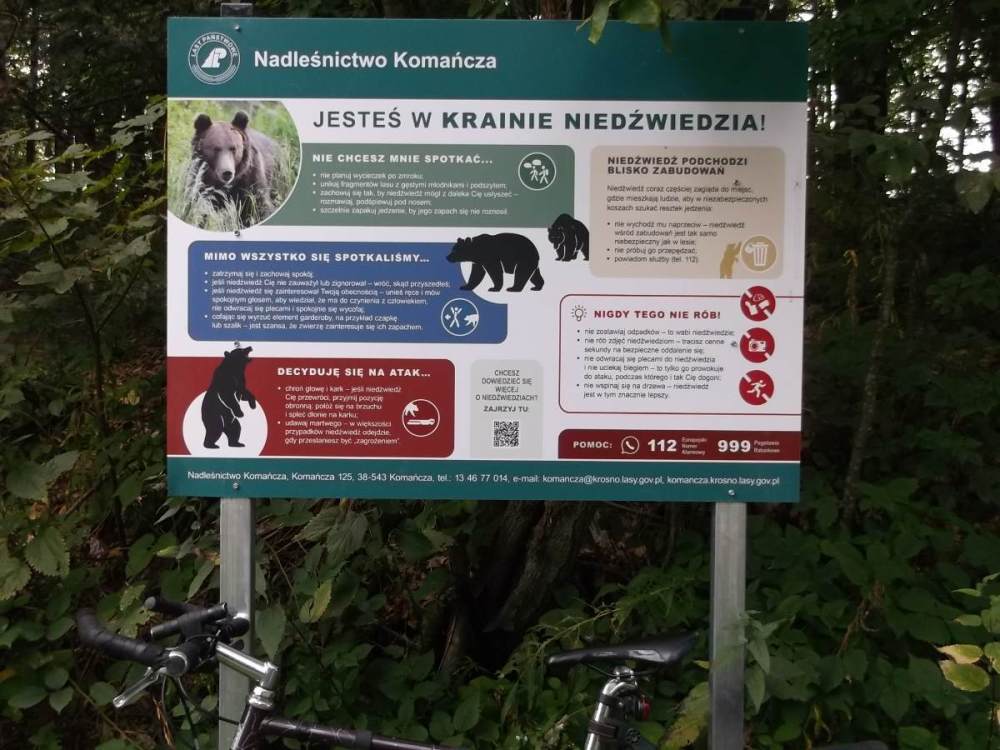
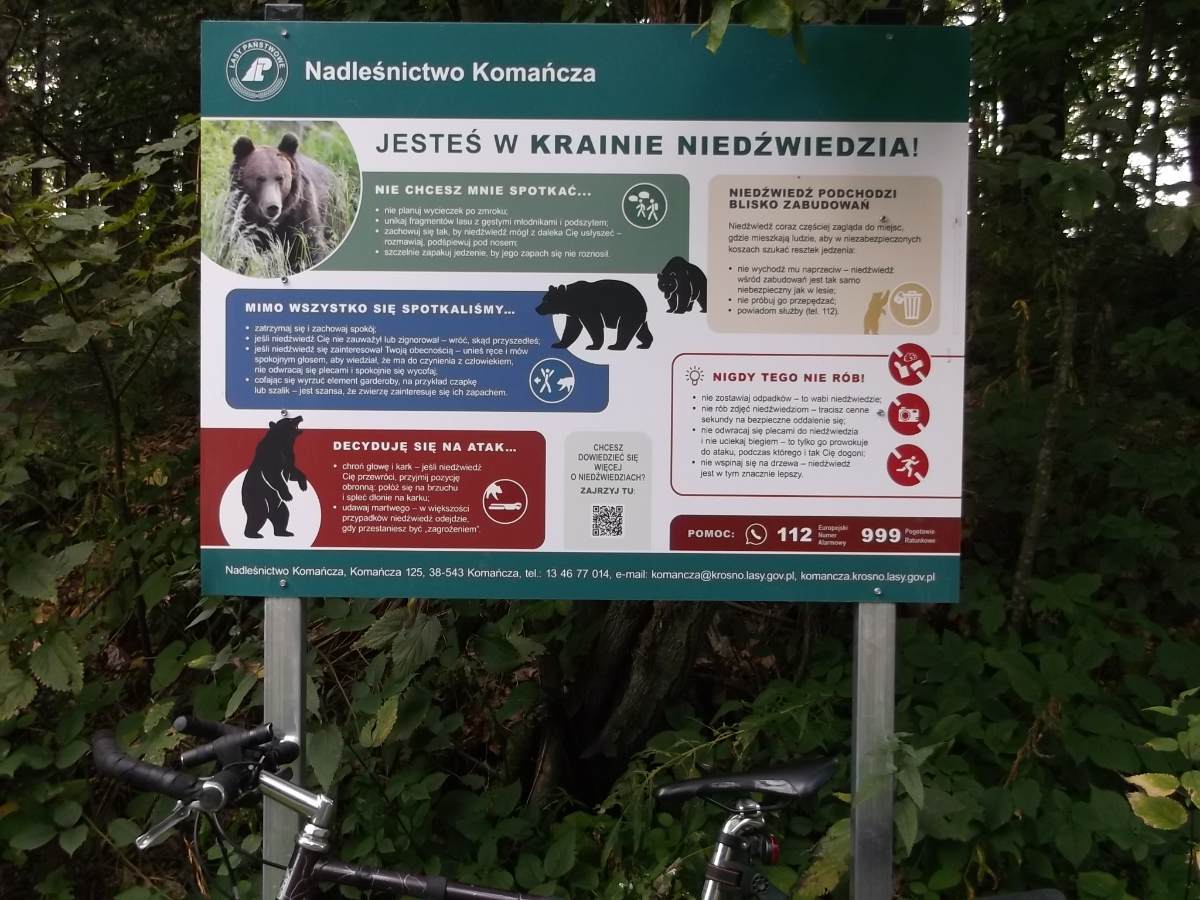
Śmiertelne ataki niedźwiedzia w Polsce zdarzają się niezmiernie rzadko (poprzedni około 100 lat temu), choć w tym roku faktycznie miał miejsce w Bieszczadach. Przyrodnik: Atak niedźwiedzia w Bieszczadach to najpewniej reakcja obronna | Polska Agencja Prasowa SA Jestem w Bieszczadach co roku od kilkunastu lat i nigdy niedźwiedzia nie widziałem, ale wiadomo, że jakaś obawa jest. Tu kilka wskazówek (akurat to zdjęcie zrobione na Przełęczy Żebrak):